About Justin / Developer. Educator. Elder emo.
Straight talk.
Soft heart.
I like making complicated things understandable. Sometimes that means code. Sometimes it means a better explanation. Usually, it means listening first.
I’m Justin Barrett, Director of Technology at Autoshop Solutions, part of Vehlo. My background spans WordPress development, technology leadership, instructional design, and music education. North Carolina is home.
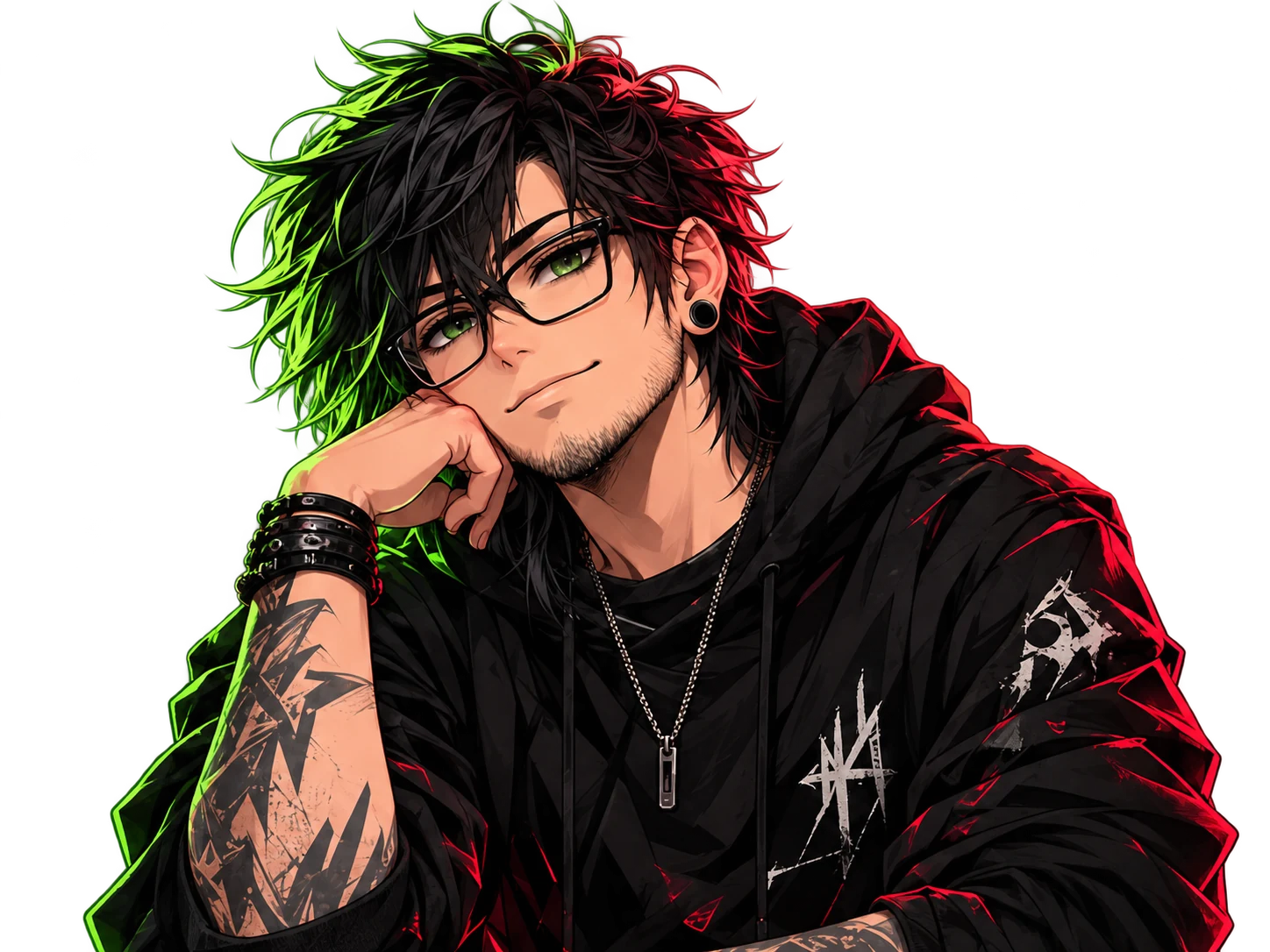
The route wasn’t straight.
It makes sense now.
I studied music education at UNCG, then instructional design and technology at UNCW. During graduate school, technology work turned into website work, website work turned into referrals, and those referrals became a freelance practice.
I kept learning, moved deeper into WordPress themes and plugins, and eventually joined Autoshop Solutions. My responsibilities grew from development into leading teams and company technology initiatives.
The through line is still the same: understand the problem, learn what you need, and make the next step clearer for somebody else.
How I work
Good judgment.
A little edge.
Understand before adding.
Start with the task, the people, and the constraints. A new tool is useful when it solves a real problem.
Make it understandable.
Clear code, clear expectations, clear explanations. The next person should be able to pick up the thread.
Keep the humans in it.
Software decisions affect the people using and maintaining it. Their experience belongs in the technical conversation.
Instructional design / Speaking / Writing
Teach the idea.
Open the possibilities.
Before I was leading technology work, I was helping educators think through how to use it. Selected NCMEA conference sessions from the archive:
2013Flipping The Music Classroom, NCMEA 2013
I presented at the 2013 NCMEA Annual Conference to discuss a newer model of instruction being implemented in many North Carolina Districts called the Flipped Classroom Model. The presentation centered around why this approach was necessary and working, as well…
Presentation archive ↗Assessment in the Music Classroom, NCMEA 2014
I presented at the 2014 NCMEA Annual Conference to discuss assessing student performance. The presentation was largely based around instructing teachers on how to prepare for their annual reports called Assessment of Student Work in which they had to provide a…
Presentation archive ↗All Things Google, NCMEA 2015
I presented at the 2015 NCMEA Annual Conference to discuss Google Applications, Devices, and Services that could assist in implementing technology tools into the Music Classroom.
Presentation archive ↗Classroom Websites NCMEA 2015
I presented at the 2015 NCMEA Annual Conference to discuss implementing Classroom Websites as Content Management Systems for Music Classrooms in needed of a web-based CMS.
Presentation archive ↗The Hybrid Learning Music Classroom
Following completion of my capstone at UNCW, I presented at the 2015 NCMEA Annual Conference to discuss the process, strategies, and research performed in the capstone. I chose to focus heavily on the possibilities that the research demonstrated that technology…
Presentation archive ↗ Historical presentations; external archives may require Google access.
Published / 2013
Keep it Simple and Make it Interactive
A practical article on integrating technology into music teaching. First published in the NCMEA Journal, with republication in Georgia, Nebraska, and the NFHS Music Association Journal.
Read the archived PDF ↗Graduate capstone
The Hybrid Learning Music Classroom
Beginning music concepts in an asynchronous online environment, connecting instructional design with the web.
Explore the project ↗Music / Still part of the story
A different language.
The same curiosity.
My undergraduate focus was percussion performance and music education. I taught in several settings, performed with the UNCW Wind Ensemble during graduate school, and wrote music of my own.
Seven Stages for Piano and Vibraphone is an original composition performed at my UNCG recital by Sara Wood and Melissa Mitchel. It follows an emotional journey, leaving the interpretation to the listener.
Watch the archived performance ↗Or make your own little groove in the Rhythm Lab.